Copper, Gold, and Silver: Different Commodities, Different Market Forces


Copper, gold, and silver are influenced by different market forces and represent different commodity themes. While copper is closely linked to electrification, infrastructure expansion, and rising energy demand, gold is primarily driven by macroeconomic factors such as interest rates, inflation expectations, and geopolitical developments. Silver combines the characteristics of a precious metal with significant industrial applications. This article examines the key drivers of these three metals as well as the opportunities and risks associated with investing in them.
Raw Materials Caught in the Crossfire of Global Change
The global economy is undergoing profound change. The expansion of power grids, data centers, electric mobility, and renewable energy is increasing the demand for certain raw materials. At the same time, geopolitical uncertainties, high government debt, and changes in the global financial system are fueling sustained interest in precious metals.
Copper, gold, and silver each represent different trends and can therefore be attractive for different reasons.
Copper: The Key Metal for Electrification
Copper is a key component of modern electricity infrastructure. Power grids, data centers, electric mobility, and renewable energy all rely on this metal in a variety of applications. As the economy becomes increasingly electrified, many market participants expect structural demand for copper to rise.
On the supply side, however, the rapid expansion of mining production is limited. New projects can involve lengthy development and approval processes. At the same time, declining ore grades, rising investment costs, and political conditions can impact production.
For investors, a tracker certificate based on the Solactive Copper Miner Leaders Index may offer a way to participate in the performance of the copper mining sector. Rather than betting on the performance of a single company, it tracks a diversified basket of companies in the copper mining sector.

However, the performance of such companies does not depend solely on the price of copper. Production costs, operational developments, company valuations, currencies, and political risks can also play an important role.
Tracker Certificates
Open-End Knock-Out Warrant on Copper
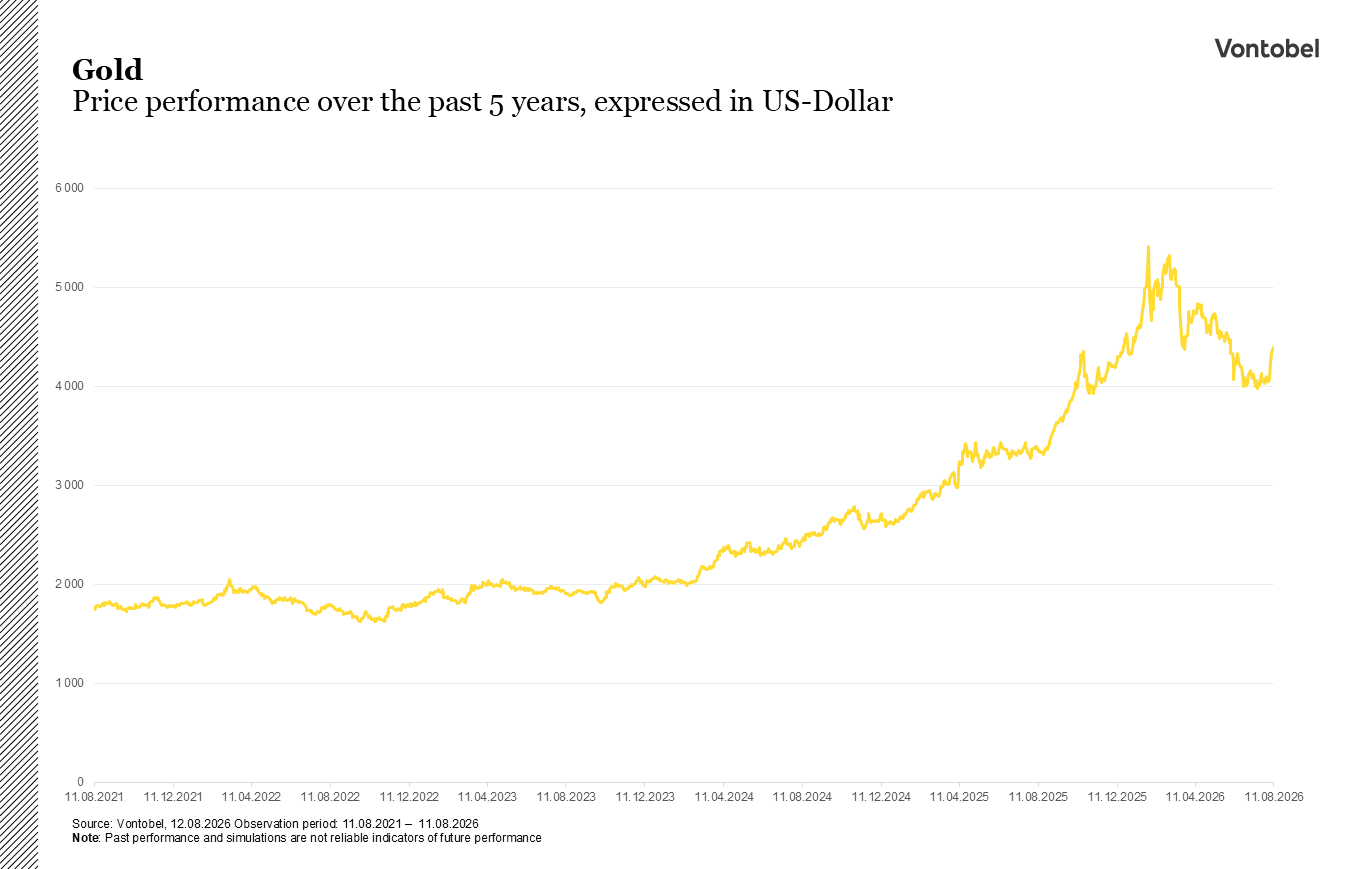
Gold: A Precious Metal with Defensive Characteristics
Factors that can influence demand for gold include, among others, geopolitical developments, inflation expectations, interest rates, currency fluctuations, and demand from central banks.
Tracker Certificate
Open-End Knock-Out Warrant on Gold
Gold is therefore less of a bet on a single economic trend and more of a building block that can reflect various macroeconomic developments. A positive trend in the price of gold is by no means guaranteed; gold is also subject to market price, currency, and interest rate risks.
Silver: Precious Metal Meets Industry
Silver combines the characteristics of a precious metal with significant industrial applications. The metal is used in electronics, photovoltaics, and other industrial applications, among others.
As a result, both developments in the precious metals market and industrial demand can influence the price of silver. Historically, silver has also tended to exhibit greater price volatility than gold.

The products described below are intended for investors with an appropriate risk tolerance. With leveraged products in particular, even small market movements can lead to significant losses, including the total loss of the capital invested.
Open-End Knock-Out Warrant on Silver
Warrants are leveraged products. Even small price movements in the underlying asset can result in disproportionately large gains or losses. If certain product thresholds are reached—in particular, a knock-out barrier—this may result in a partial or total loss of the principal invested.
For investors who wish to specifically participate in the performance of gold or silver, leveraged instruments may also be of interest—depending on the specific product structure. However, the potential leverage works both ways: it can amplify gains, but it can also amplify losses.
Three Metals, Different Drivers
Copper, gold, and silver thus represent different commodity themes:
Copper— electrification and infrastructure
Gold – Store of value and uncertainty
Silver – Precious metal and industrial demand
These three metals are influenced by different market and economic factors. Accordingly, the opportunity and risk profiles of the respective commodity themes differ. Before making an investment decision, investors should assess whether the respective financial instrument aligns with their investment objectives, risk tolerance, and investment horizon.
It is important to note that commodity prices and commodity-related financial instruments can be subject to significant fluctuations. In particular, shares of mining companies and leveraged products carry additional specific risks. The relevant product documentation, particularly the Key Information Document and prospectus or the applicable offering terms, should be reviewed before making an investment decision. Past performance is not a reliable indicator of future results. The value of investments may rise or fall. Investors may lose some or all of their invested capital.