Are AI and Electric Vehicles fueling a nuclear energy comeback?

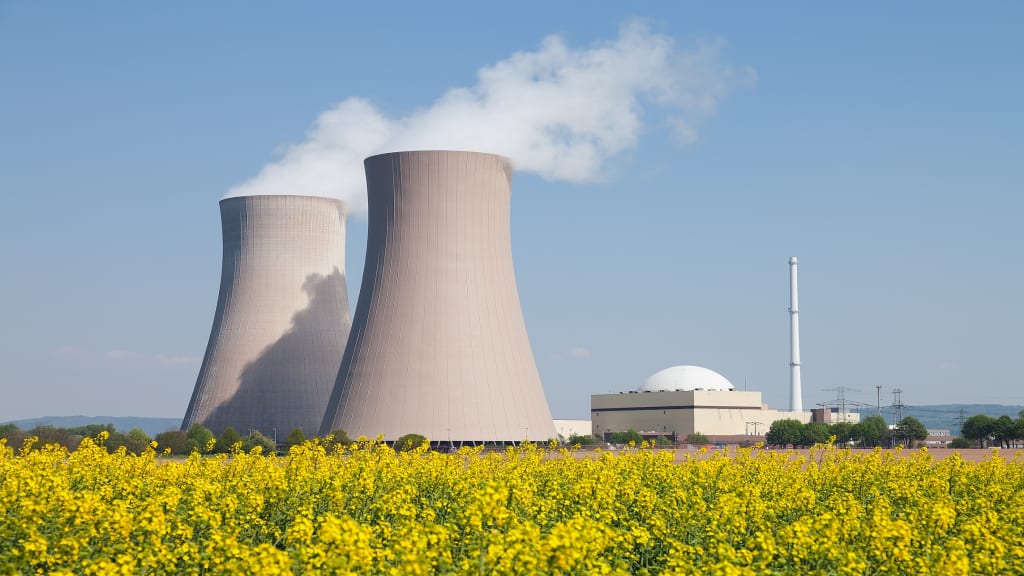
In view of the rising demand for energy due to AI applications and electromobility as well as the climate targets to be achieved, nuclear power is increasingly gaining political and social acceptance again. For a long time, it was considered a politically controversial and socially skeptical topic. However, there are increasing signs of a rethink worldwide: more and more countries are backing new nuclear power projects. The question is whether the nuclear comeback is on a sustainable footing. How far has technological progress progressed and how has the political framework surrounding nuclear energy changed?
Data centers fuel demand for electricity
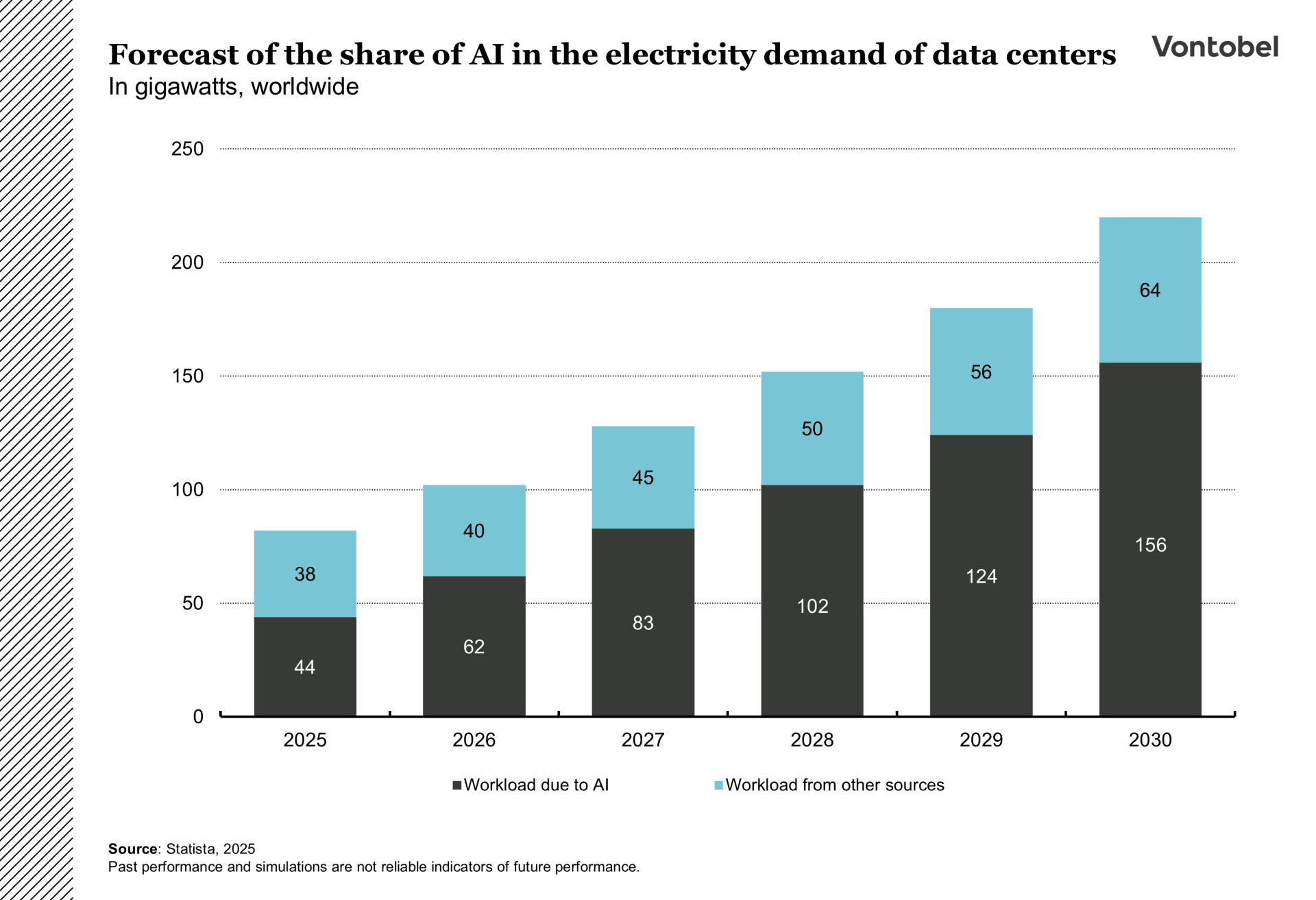
The year 2025 was largely characterized by the progressive implementation of artificial intelligence in our private and professional lives. Managers and politicians hope that this will increase productivity and efficiency, which could boost global economic growth again. However, the massive expansion and intensive use of data centers costs energy. According to the IEA (International Energy Agency), a demand on the popular ChatGPT platform from provider OpenAI costs an average of 0.36 US cents. In connection with this, data centers are being built on a large scale to provide the basis for complex AI computing processes. The operation of these data centers is known to be extremely energy-intensive. According to the EESI (Environmental and Energy Study Institute), the 5400 or so data centers in the USA together consume around 17 gigawatts of electricity. By comparison, a modern nuclear power plant generates around 1 gigawatt. The EESI predicts that the demand for electricity from data centers in the USA could rise to up to 130 gigawatts by 2030.
However, it is not only AI that is driving the demand for electricity. The advancing trend towards electromobility is also playing its part, particularly in Europe. According to the IEA, electric cars could account for more than 4 percent of European energy demand by 2030, compared to around 0.7 percent in 2024.
Renaissance of nuclear energy?
Due to the increased energy demand caused by AI and electromobility, the energy supply must follow suit in order to avoid a looming gap in the best possible way. According to the IEA, global primary energy consumption could rise by more than 25 percent by 2040.
On the one hand, energy demand is increasing due to innovative technologies such as e-cars and AI, while on the other, a substantial proportion of the electricity supply from non-sustainable sources must be replaced in connection with climate targets and a transition to more sustainable energy sources. Demographic and macroeconomic factors such as population growth and increasing prosperity in emerging countries are also contributing to the increased demand for energy. In view of these developments, an energy source that was considered undesirable for years and which many countries have supposedly turned their backs on is once again in the spotlight.
After the "golden years" of the 1950s, 60s and 70s, the nuclear disasters in Chernobyl (1986) and Fukushima (2011) ensured that the risks of nuclear energy hovered over the use of this technology like a sword of Damocles and led to a global rethink of energy policy. Germany and Italy decided to phase out nuclear power, and Switzerland also announced a halt to the construction of new nuclear power plants.
Now, however, there could be a turnaround. In many European countries in particular, where nuclear energy has been viewed with skepticism in recent decades, a rethink is gradually taking place. In the wake of the Russian invasion of Ukraine in 2022, it became clear that the fossil energy sources from Russia, which had been available cheaply for years, would become a problem and would have to be replaced in the medium or long term.

Asia relies on nuclear energy
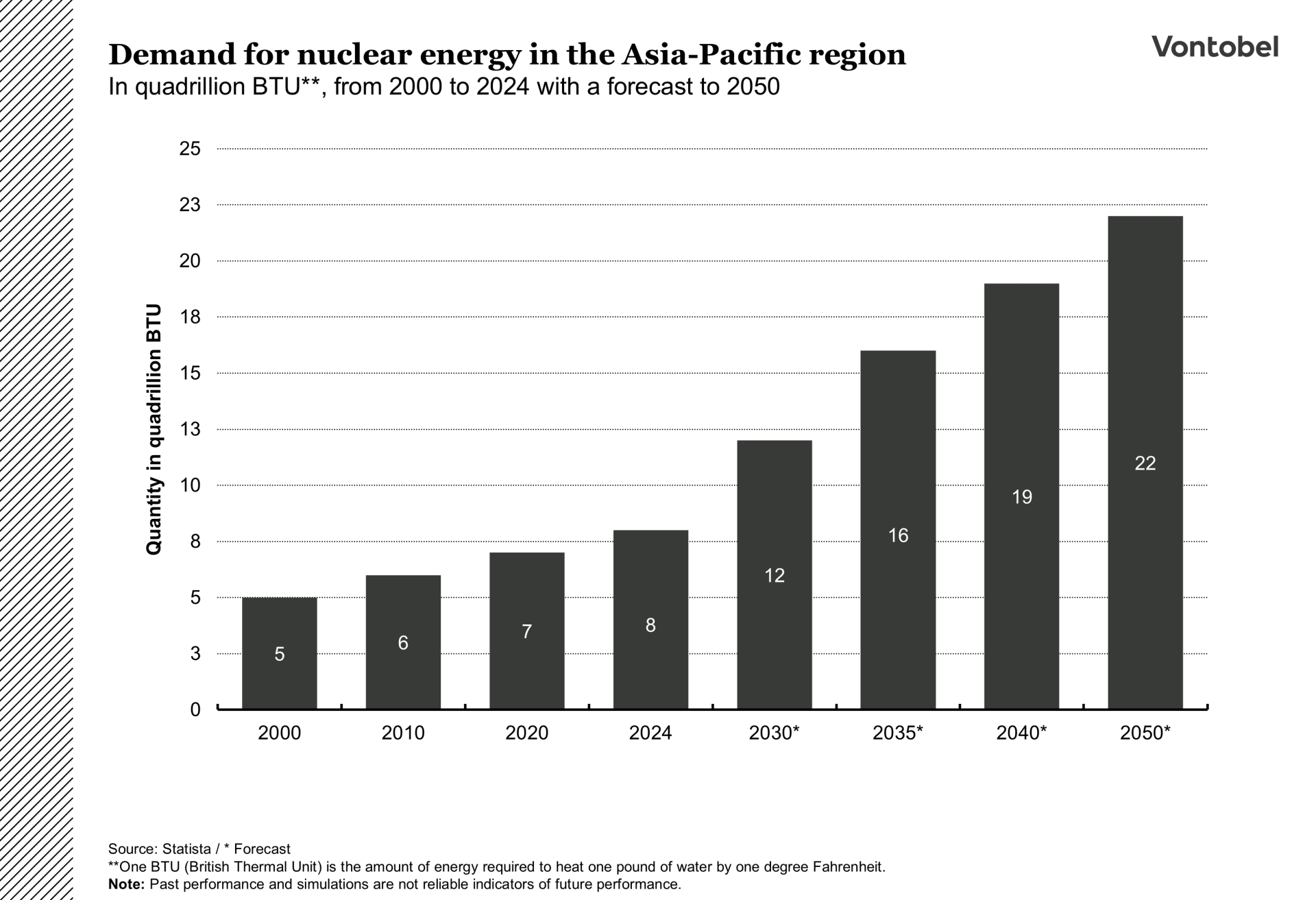
Nuclear energy sources are already experiencing remarkable growth in Asia. According to the World Nuclear Association, 145 operational nuclear reactors are connected to the grid in Asia as of January 2026, while 45 more are under construction and a further 60 are planned. This means that Asia accounts for around three quarters of the reactors under construction worldwide. Behind this are efforts to reduce dependency on fossil fuels, achieve emissions targets and meet higher demand. China in particular, where the electrification of personal transportation is progressing relentlessly, is fully committed to nuclear energy. According to the World Nuclear Association, around half of the world's reactors under construction are in China.
Japan is also turning to nuclear energy again. In December 2025, the local government in Niigata decided to restart one of the seven reactors at the world's largest nuclear power plant "Kashiwazaki-Kariwa" - amid protests. Japan decided to take this step even though the country suffered a serious nuclear disaster in 2011. After Fukushima, 54 reactors were taken off the grid in the Land of the Rising Sun under public pressure (VZ Vermögenszentrum, 21.11.2025).
New solutions in the starting blocks
The increasing demand for energy and the return of nuclear energy are also encouraging technological progress and innovative solutions. Above all, so-called "mini nuclear power plants", or "small modular reactors" (SMRs), have recently been in the spotlight. These are reactors that are less powerful than conventional reactors, but offer advantages such as transportability, modular scalability and cost optimization. The IAEA (International Atomic Energy Agency) defines SMRs as advanced reactors with a power capacity of less than 300 megawatts per unit.
Several projects worldwide are at an advanced stage of approval or construction, particularly in North America and Asia. The development is driven less by climate targets than by the search for reliable, base-load capable energy, for example for industrial clusters, remote regions or energy-intensive data centers. Politically, SMRs are receiving a tailwind from accelerated approval procedures and government funding programs, while at the same time timetables remain ambitious. Technologically, the trend relies on standardized designs, serial production and simplified safety concepts to reduce costs and construction times. Whether these promises can be kept remains to be seen.
SMRs and associated companies have established themselves as a serious factor in the energy policy debate and could bring about structural change in the nuclear energy sector. Nevertheless, the sector remains heavily dependent on regulatory decisions, project implementation and cost developments, which means that volatility and risks cannot be ignored.
How investors could position themselves
strategic certificates on the Vontobel Nuclear Energy Index give investors access to a thematic investment in a possible comeback of nuclear energy. The index currently comprises 33 companies that could potentially benefit from the expansion of nuclear capacity. As uranium mining marks the beginning of the nuclear value chain, uranium mining companies are also included in the investable universe. Overall, the focus is on shares in companies that are geared towards the generation of reliable and carbon-free energy. The Strategic Certificate tracks the performance of the Vontobel Nuclear Energy Index almost one-to-one, taking any fees into account. The index sponsor selects, weights and adjusts the index components in line with the defined strategy. The barometer is calculated as a performance index (net return), which includes dividends, distributions and other income after deduction of country-specific taxes and fees.
the Strategic Certificate allows investors to participate in the performance of the Vontobel Nuclear Energy Index without a time limit (open-end).
Investors should be aware that structured products such as the Strategic Certificate are subject to various risks. Fluctuations on the capital markets give rise to market risks, such as changes in interest rates, commodity prices, volatilities or economic and political conditions, which can have a negative impact on the value of the shares contained in the index and thus on the value of the product. In addition, there are currency risks if the underlying assets are not quoted in the product's reference currency: Exchange rate movements can have an additional negative impact on returns, irrespective of the performance of the underlying itself. There is also an issuer risk, as the repayment and intrinsic value of the product depend on the creditworthiness of the issuer and, if applicable, the guarantor.