Öljyn hinta raketoi yli 110 dollarin

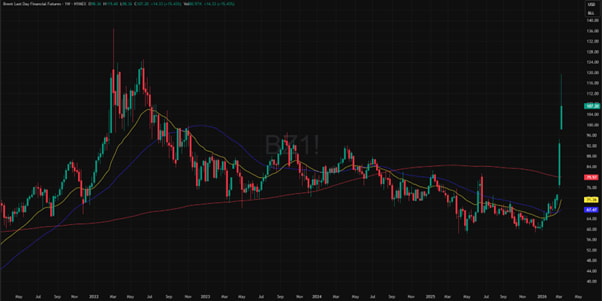
Viimeisten viikkojen ja erityisesti viime päivien aikana öljymarkkinoilla on nähty poikkeuksellisen voimakkaita ja nopeita liikkeitä. Brent-raakaöljyn hinta on tehnyt hurjan harppauksen ja noussut lyhyessä ajassa 70 dollarin hintatasolta jopa yli 110 dollariin barrelilta. Maaliskuun alussa nähty hintapiikki on suurin sitten vuoden 2022 energiakriisin, ja se heijastuu voimakkaasti koko maailmantalouteen.
Syyt hintarallin taustalla: Lähi-idän konflikti ja Hormuzin salmi
Öljyn hinnan jyrkät muutokset johtuvat suoraan Lähi-idän konfliktin kärjistymisestä Yhdysvaltojen, Israelin ja Iranin välillä. Tilanne kärjistyi kriittiseksi, kun liikenne yhdellä maailman tärkeimmistä öljyreiteistä, Hormuzin salmella, pysähtyi käytännössä kokonaan.
Hormuzin salmen kautta kuljetetaan tavallisesti noin viidennes maailman öljystä ja maakaasusta. Reitin sulkeminen on johtanut nopeaan ketjureaktioon markkinoilla:
● Varastot täyttyvät ja tuotanto vähenee: Koska öljyä ei voida kuljettaa pois alueelta, suurimpien tuottajamaiden varastot täyttyvät ääriään myöten, mikä pakottaa ne vähentämään tuotantoaan merkittävästi.
● Välitön tarjontashokki: Markkinoilla on herännyt pelko pitkittyneestä toimitusvajauksesta. Vaikka esimerkiksi Yhdysvallat on myöntänyt vapautuksia ja poistanut tulleja tilanteen helpottamiseksi, maailmanlaajuinen tarjonta on tiukkaa.
Laajemmat taloudelliset vaikutukset ja markkinareaktiot
Öljyn hinnan nopea nousu on lähettänyt shokkiaaltoja osakemarkkinoille ympäri maailmaa.
Liittyvät tuotteet
Brent-öljy, 1 vuoden graafi

Brent-öljy, 5 vuoden graafi
Markkinoiden epävarmuus näkyy selkeimmin kolmella osa-alueella:
Inflaatiopaineiden paluu: Energian ja polttoaineiden kallistuminen uhkaa kiihdyttää globaalia inflaatiota uudelleen, mikä osuu suoraan kuluttajien ostovoimaan ja yritysten katteisiin.
Korko-odotusten lykkääntyminen: Vielä alkuvuodesta sijoittajat odottivat Yhdysvaltain keskuspankin (Fed) aloittavan koronlaskut alkukesästä. Nyt uusiutuneiden inflaatiopelkojen myötä odotuksia on siirretty syksyyn, mikä pitää rahoitusolosuhteet tiukkoina.
Pörssikurssien sukellus: Kasvanut geopoliittinen ja taloudellinen epävarmuus on saanut sijoittajat vetäytymään riskikohteista.
Pörssien reaktiot: S&P 500 pelkää korkoja, DAX teollisuuden puristuksessa
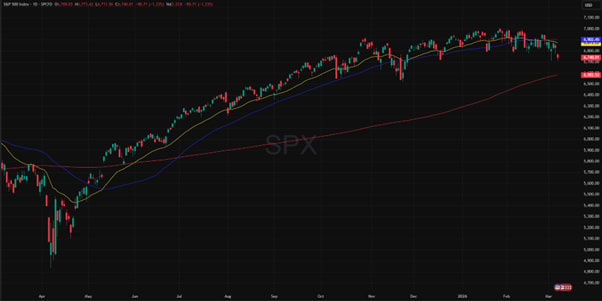
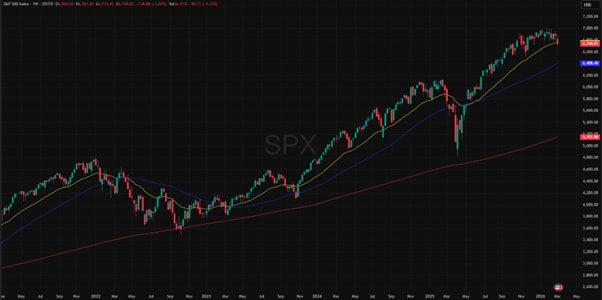
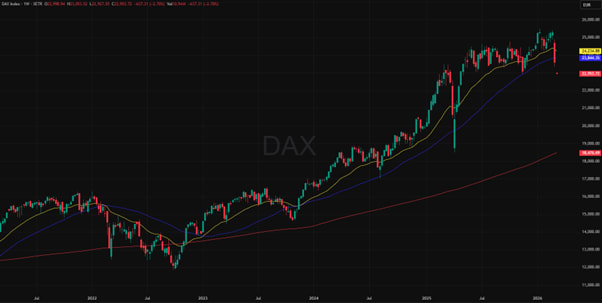
Öljykriisin aiheuttama epävarmuus näkyy selvästi maailman pääindeksien, kuten Saksan DAX:in ja Yhdysvaltojen S&P 500:n, voimakkaana laskuna. Markkinoiden reaktioissa on kuitenkin nähtävissä selviä alueellisia eroja:
● DAX-indeksi ja Euroopan energiariippuvuus: Saksan vientivetoinen teollisuus on erittäin herkkä tuontienergian hinnan nousulle. DAX-indeksi on tullut rytinällä alas, sillä sijoittajat pelkäävät kalliin öljyn syövän nopeasti raskaanteollisuuden katteet ja suistavan Euroopan suurimman talouden taantumaan. Markkinoilla hinnoitellaan nyt nopeasti sisään Euroopan talouskasvun sakkaamista.
● S&P 500 ja muuttuvat korko-odotukset: Yhdysvaltojen osakemarkkinoilla isku on ollut astetta pehmeämpi Yhdysvaltojen oman, vahvan energiasektorin ansiosta. Silti myös S&P 500 -indeksi on kääntynyt laskuun. Yhdysvalloissa kyse on ennen kaikkea inflaatiopeloista: öljyn hinnan nousu pakottaa sijoittajat hautaamaan toiveet Yhdysvaltain keskuspankin (Fed) koronlaskuista.
Liittyvät tuotteet
S&P 500, 1 vuoden graafi
S&P 500, 5 vuoden graafi
Liittyvät tuotteet
DAX, 1 vuoden graafi
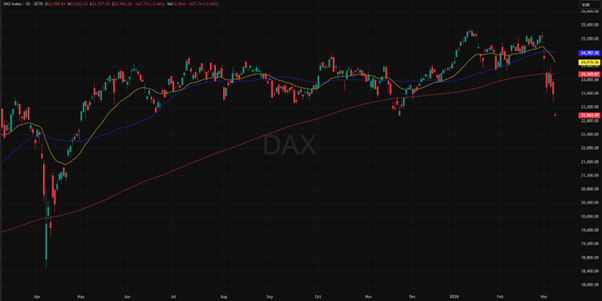
DAX, 5 vuoden graafi
Mitä tuleman pitää?
Markkinoiden katseet on nyt kiinnitetty siihen, kuinka pitkään Hormuzinsalmen häiriöt jatkuvat ja milloin mahdollisia tulitaukoneuvotteluja päästään käymään. Yhdysvallat on tällä hetkellä maailman suurin öljyntuottaja, ja sen liuskeöljytuotanto on ennätystasolla. Vaikka tämä kapasiteetti voi pitkällä aikavälillä tasapainottaa markkinoita, lyhyellä tähtäimellä markkinat ovat erittäin herkkiä uutisotsikoille ja satunnaisetkin tiedot laivaliikenteen avautumisesta voivat aiheuttaa nopeita ja suuriakin liikkeitä.
Graafeilla näkyvät indikaattorit:
● SMA200: 200 päivän liukuva keskiarvo, punainen.
● SMA50: 50 päivän liukuva keskiarvo, sininen.
● EMA25: 25 päivän eksponentiaalinen liukuva keskiarvo, keltainen.
Riskit
Credit risk of the issuer:
Investors in the products are exposed to the risk that the Issuer or the Guarantor may not be able to meet its obligations under the products. A total loss of the invested capital is possible. The products are not subject to any deposit protection.
Currency risk:
If the product currency differs from the currency of the underlying asset, the value of a product will also depend on the exchange rate between the respective currencies. As a result, the value of a product can fluctuate significantly.
Market risk:
The value of the products can fall significantly below the purchase price due to changes in market factors, especially if the value of the underlying asset falls. The products are not capital-protected
Product costs:
Product and possible financing costs reduce the value of the products.
Risk with leverage products:
Due to the leverage effect, there is an increased risk of loss (risk of total loss) with leverage products, e.g. Bull & Bear Certificates, Warrants and Mini Futures.
External author:
This information is in the sole responsibility of the guest author and does not necessarily represent the opinion of Bank Vontobel Europe AG or any other company of the Vontobel Group. The further development of the index or a company as well as its share price depends on a large number of company-, group- and sector-specific as well as economic factors. When forming his investment decision, each investor must take into account the risk of price losses. Please note that investing in these products will not generate ongoing income.
The products are not capital protected, in the worst case a total loss of the invested capital is possible. In the event of insolvency of the issuer and the guarantor, the investor bears the risk of a total loss of his investment. In any case, investors should note that past performance and / or analysts' opinions are no adequate indicator of future performance. The performance of the underlyings depends on a variety of economic, entrepreneurial and political factors that should be taken into account in the formation of a market expectation.
Disclaimer:
This information is neither an investment advice nor an investment or investment strategy recommendation, but advertisement. The complete information on the trading products (securities) mentioned herein, in particular the structure and risks associated with an investment, are described in the base prospectus, together with any supplements, as well as the final terms. The base prospectus and final terms constitute the solely binding sales documents for the securities and are available under the product links. It is recommended that potential investors read these documents before making any investment decision. The documents and the key information document are published on the website of the issuer, Vontobel Financial Products GmbH, Bockenheimer Landstrasse 24, 60323 Frankfurt am Main, Germany, on prospectus.vontobel.com and are available from the issuer free of charge. The approval of the prospectus should not be understood as an endorsement of the securities. The securities are products that are not simple and may be difficult to understand. This information includes or relates to figures of past performance. Past performance is not a reliable indicator of future performance.
© Bank Vontobel Europe AG and/or its affiliates. All rights reserved.