XRP and Ripple: Transforming Cross-Border Payments and the Future of Digital Finance


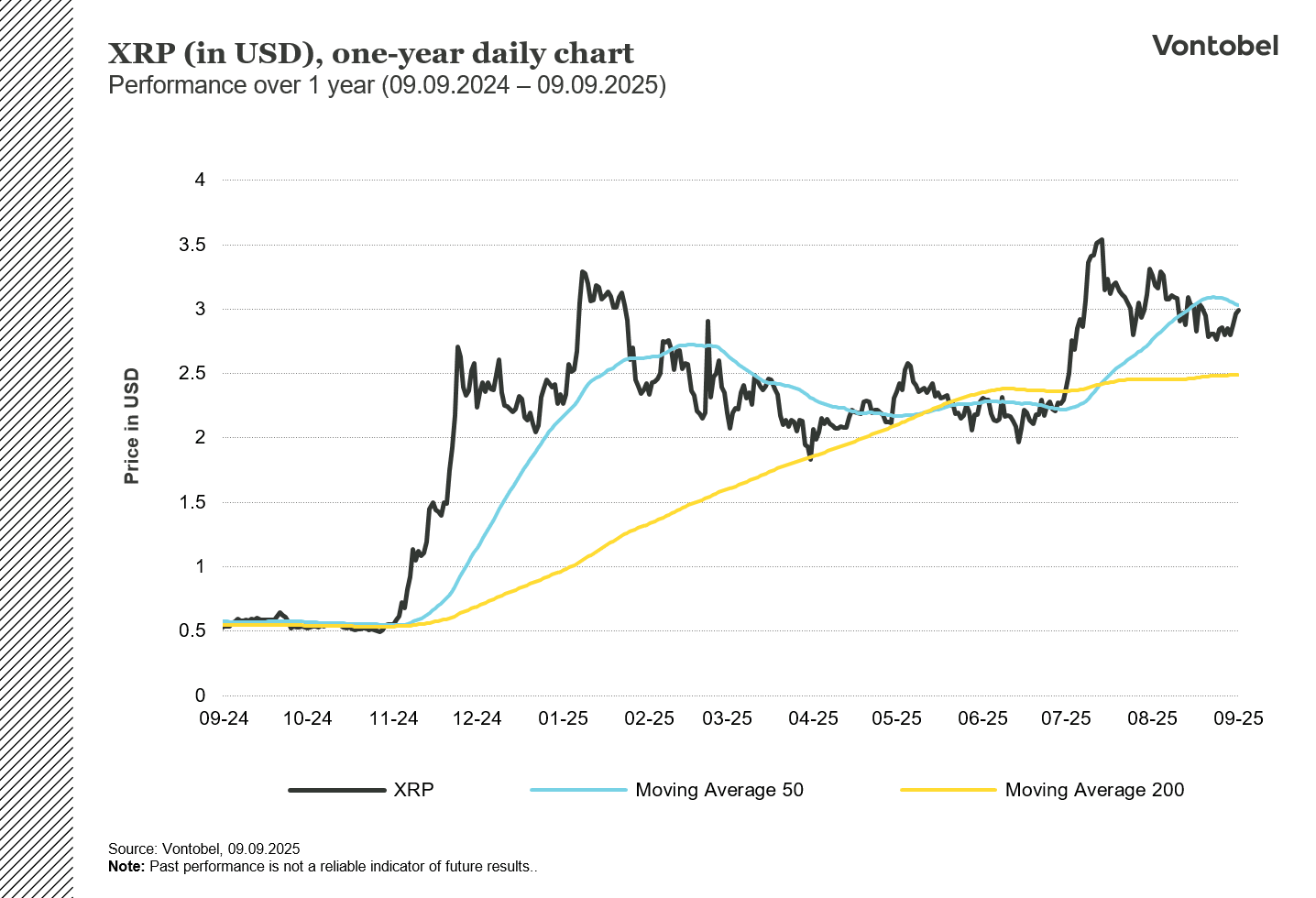
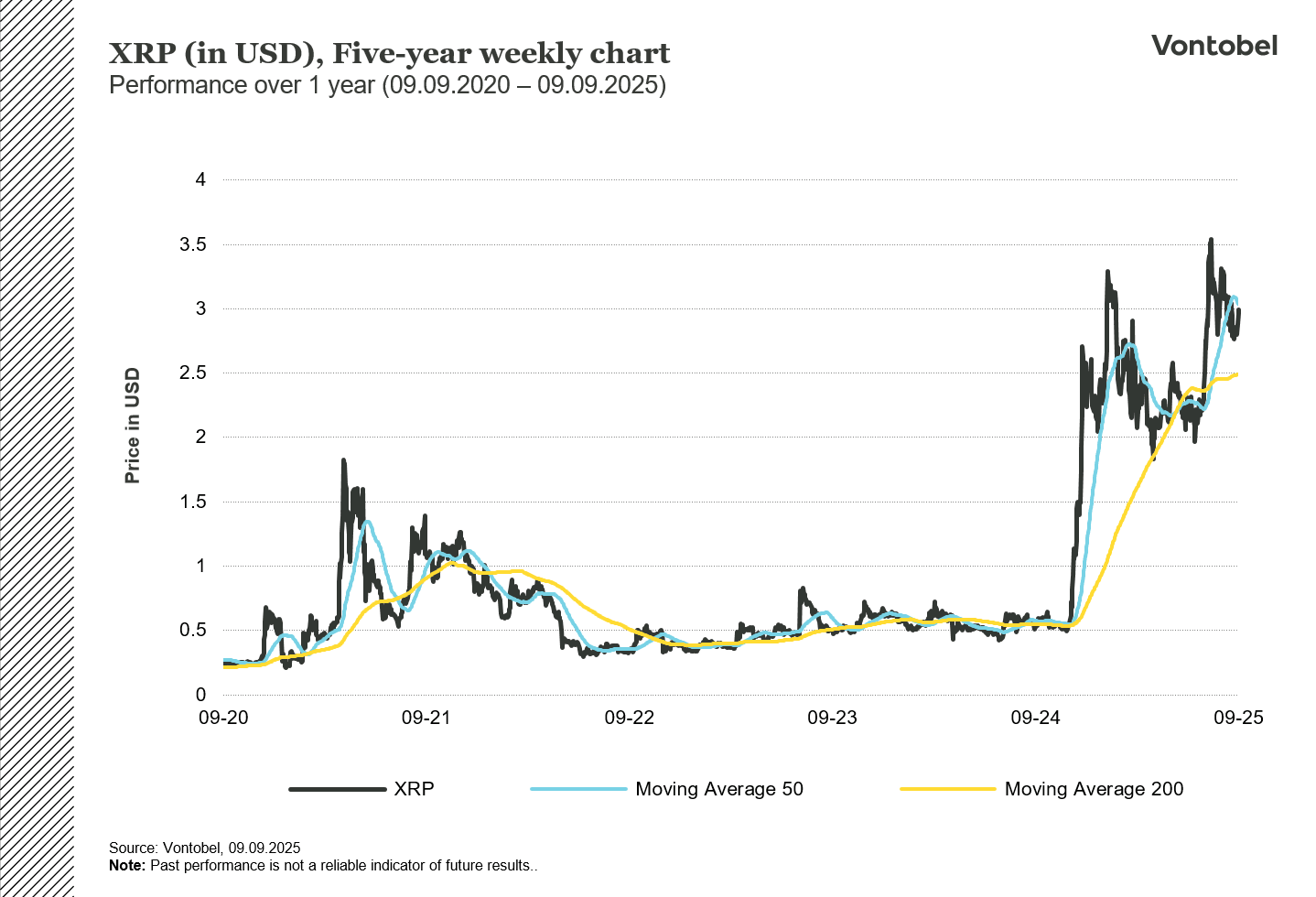
XRP is the native cryptocurrency of the XRP ledger which is an open-source blockchain that was designed to improve international financial transactions. XRP offers a cost- and energy effective alternative to Bitcoin, and it was created to address Bitcoins limitations. Today XRP is trading at around $3, up over 47,000% from its creation in 2012.
What is the difference between Ripple and XRP?
Many confuse the difference between XRP and Ripple and use the two names interchangeably when referring to the cryptocurrency. This is incorrect. Ripple was the name of the original open-source project which included XRP, the Ripple Consensus Ledger, the Ripple Transaction Protocol, and the Ripple Network. The founders Jed McCaleb, David Swartz, and Arthur Britto released the XRP and the XRP Ledger in 2012 and was later joined by Chris Larsen. Together they created the Opencoin company. The Opencoin company was later rebranded as Ripple Labs, which continues to support the open-source project. To summarize, Ripple refers to the company that developed the technology behind the XRP Ledger and broader network. XRP is a cryptocurrency that is native to the XRP Ledger. The XRP Ledger is an open-source blockchain designed to support the transfer of value, including XRP and other cryptocurrencies.
How does XRP and the XRP Ledger work?
Unlike many other blockchain networks, the XRP Ledger uses a consensus algorithm rather than mining, such as Proof of Work and Proof of Stake which are used by other major blockchains. Instead of miners competing to validate transactions, validators reach consensus through a voting process to agree on the order of transactions and confirm the integrity of the ledger. XRP on the other hand is the native cryptocurrency to the XRP Ledger and its primary use is to serve as a bridge currency for cross-border transactions. It is used to facilitate international transfers between different fiat currencies. When a bank wants to send funds across borders, they can use XRP as an intermediary to convert between currencies without needing of pre-funded accounts. XRP transactions typically have extremely low fees, often less than a penny, making it ideal for both large and small payments, especially considering microtransactions. Transactions using XRP are also very quick, settling in about 3-5 seconds compared to Bitcoin transactions which take up to 10 minutes.
The difference from Bitcoin
XRP and Bitcoin are similar in many ways but there are also significant differences. As mentioned earlier, the XRP Ledger does not use a Proof-of-Work which requires significant computational power to secure the network through mining, but instead uses a consensus algorithm which is both more energy-efficient and faster. Both Bitcoin and XRP have a fixed supply as there will never be more than 21 million bitcoin and 100 billion XRP. However, the way they are distributed is a bit different. XRP was pre-mined, meaning all 100 billion coins were created when the network launched in 2012. Ripple Labs retained a significant portion of the total supply, and locked some in escrow accounts to ensure a stable release of new tokens into the market. Bitcoin on the other hand is created through a process called mining where participants solve complex puzzles to validate transactions and in return are rewarded with newly created bitcoins. The issuance is also decreasing over time in a process called halving, where the amount of new bitcoin issued is cut in half approximately every 4 years to keep the supply scarce.
Ripple’s progress with XRP highlights the potential for bold ideas to reshape long-standing financial systems. With the signing of the GENIUS Act by U.S. President Donald Trump earlier this year, the regulatory landscape for cryptocurrency has shifted, opening the door for greater adoption and clarity. As with any bold move in history, its success will depend on timing, execution, and global acceptance. The question remains: Will XRP seize this moment and become the bridge connecting traditional finance to the digital future?
Risks
Credit risk of the issuer:
Investors in the products are exposed to the risk that the Issuer or the Guarantor may not be able to meet its obligations under the products. A total loss of the invested capital is possible. The products are not subject to any deposit protection.
Currency risk:
If the product currency differs from the currency of the underlying asset, the value of a product will also depend on the exchange rate between the respective currencies. As a result, the value of a product can fluctuate significantly.
Market risk:
The value of the products can fall significantly below the purchase price due to changes in market factors, especially if the value of the underlying asset falls. The products are not capital-protected
Product costs:
Product and possible financing costs reduce the value of the products.
Risk with leverage products:
Due to the leverage effect, there is an increased risk of loss (risk of total loss) with leverage products, e.g. Bull & Bear Certificates, Warrants and Mini Futures.
Disclaimer:
This information is neither an investment advice nor an investment or investment strategy recommendation, but advertisement. The complete information on the products (securities) mentioned herein, in particular the structure and risks associated with an investment, are described in the base prospectus, together with any supplements, as well as the final terms relating to the securities. The base prospectus and final terms constitute the solely binding sales documents for the products mentioned herein. It is recommended that potential investors read these documents before making any investment decision. The documents and the key information document are published on the website of the issuer, Vontobel Financial Products GmbH, Bockenheimer Landstrasse 24, 60323 Frankfurt am Main, Germany, on https://prospectus.vontobel.com and are available from the issuer free of charge. The approval of the prospectus should not be understood as an endorsement of the securities. The securities are products that are not simple and may be difficult to understand. This information includes or relates to figures of past performance. Past performance is not a reliable indicator of future performance. This information may only be distributed or published in countries where such distribution or publication is permitted by applicable law. As stated in the relevant base prospectus, the distribution of the securities mentioned in this information is subject to restrictions in certain jurisdictions. This advertisement may not be reproduced or redistributed without prior permission by Vontobel.
© Bank Vontobel Europe AG and / or affiliated companies. All rights reserved.