The Rise of Humanoid Robots

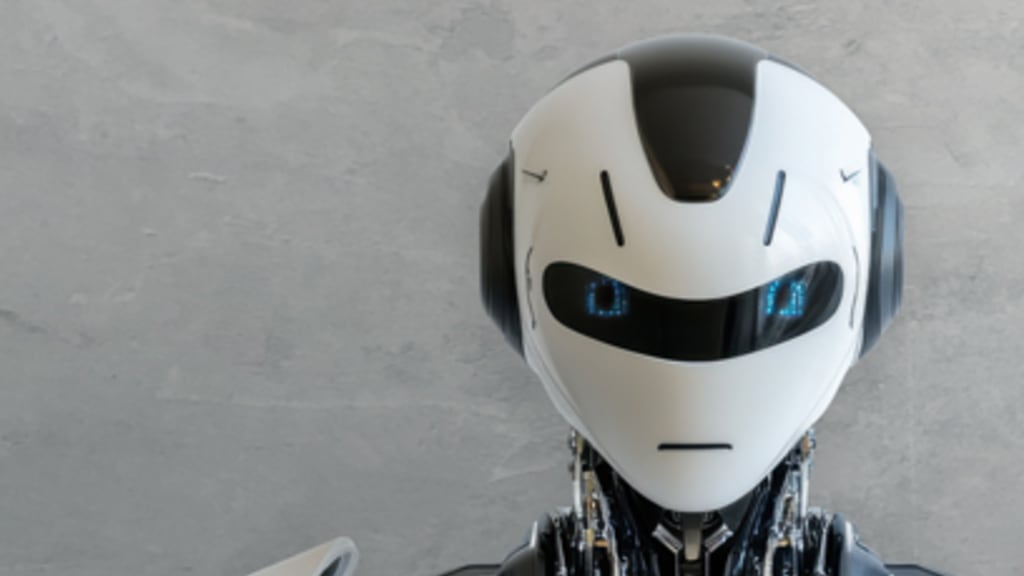
Humanoid robotics is becoming a major force in automation, combining advanced AI with human-like adaptability. These technologies hold great potential to make everyday life and work more efficient.
The Early Days of Robotics
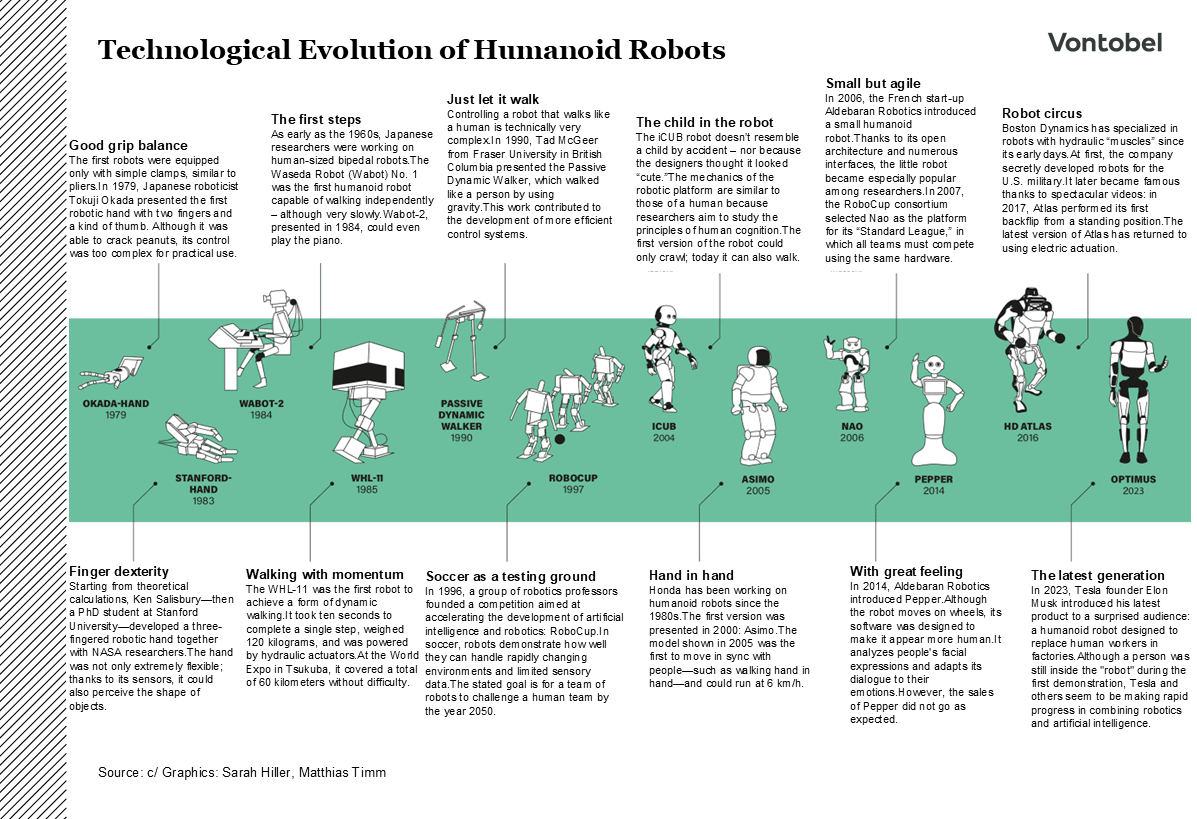
The idea of human-like robots has fascinated people for a long time. Today, when most people imagine a robot, they think of a rigid machine that moves awkwardly and simply follows its programming. One early example is the “Stanford Hand,” developed in 1983 by a Stanford University researcher. This robot hand, designed to resemble a human’s, had just three fingers but could recognize objects it was holding thanks to built-in sensors.
Since then, robotics has come a long way. Over the years, public interest in robots has only grown. Films like Star Wars (with C-3PO) and I, Robot starring Will Smith captured our imagination with the idea of autonomous robots that can sense and respond to their surroundings. While those concepts once felt like science fiction, tech giants are now working hard to make such robots a reality—using AI and language models to build machines that can interact naturally with people.
One standout example is “Ameca,” a robot created by British company Engineered Arts. It recently went viral and is considered one of the most advanced humanoid robots in the world. Ameca has a lifelike face and body, can move its eyes and facial muscles, and even gesture with its hands. It uses cutting-edge AI, language models like the latest from OpenAI, machine learning, and unique algorithms to behave in a human-like way. According to its creators, every interaction with Ameca feels unique thanks to the technology that powers it.
Where Humanoid Robots Can Make a Difference
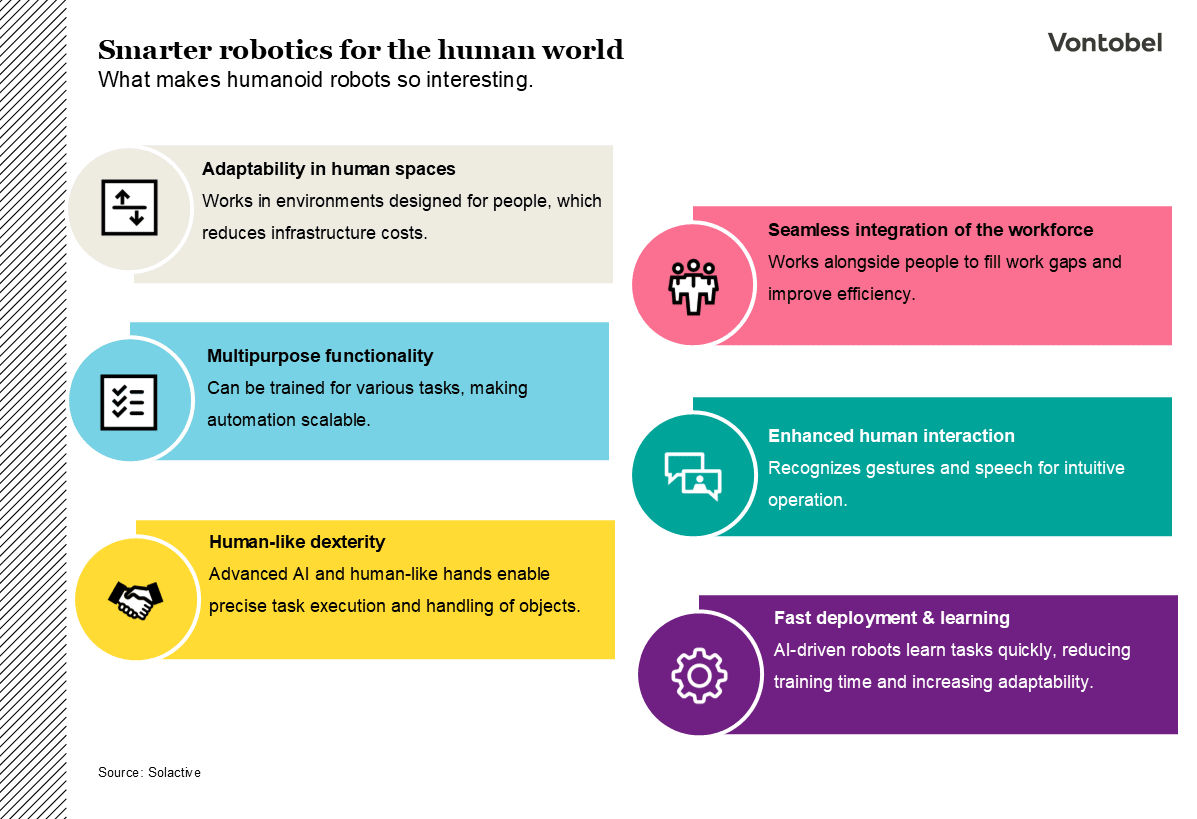
Humanoid robots have the potential to transform many aspects of life and work. Unlike purpose-built robots that can only perform specific tasks, these robots can adapt to new environments, read human emotions and facial expressions, and interact with people in a more natural way.
That’s why tech giants like Tesla and Nvidia are investing heavily in this field. Tesla, for example, is working on a robot called “Optimus” designed to take over repetitive tasks in factories. OpenAI’s “Neo” could be used in areas like customer support or caregiving, thanks to its deeper understanding of language and emotion. In healthcare, humanoid robots could help care for patients, assist in therapy, or support people with mobility challenges. They could also prove useful in dangerous environments or disaster zones.
These robots can increase efficiency, help fill workforce gaps and take over physically demanding or risky jobs. Because they are designed to function in human spaces, they can often be integrated without the need for major infrastructure changes. The tech industry is moving quickly to roll out such systems and boost productivity, safety, and accessibility.
A Rapidly Growing Market
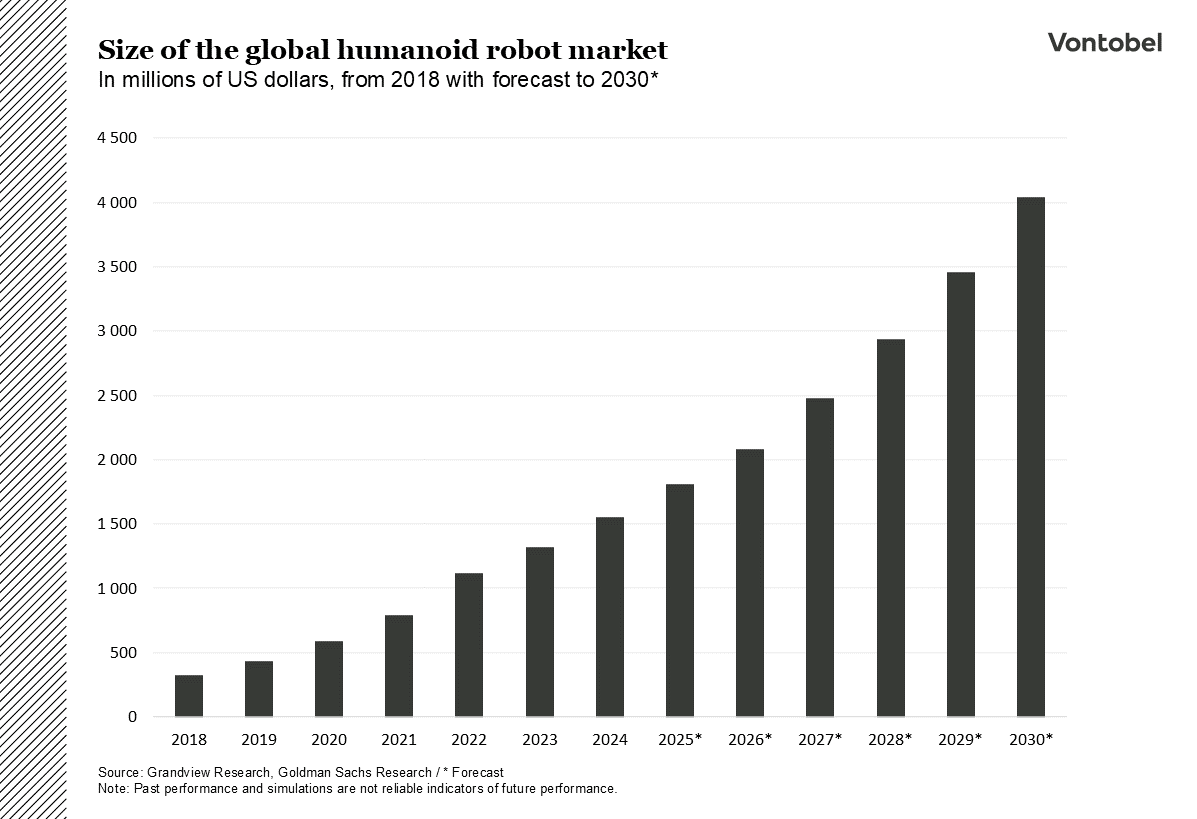
Advances in technology and improved algorithms are speeding up development and reducing costs. This could make humanoid robots more affordable in the near future. By 2030, experts estimate that a robot like this might cost between $15,000 and $35,000. Growing public acceptance will also likely help these robots find their way into everyday life.
In 2024, the global market for humanoid robots is estimated at $1.55 billion. According to Grand View Research, it’s expected to grow by an average of 17.5% per year through 2030. Much of this growth is driven by expanding use cases in various industries. Tech leaders like Tesla, Microsoft, OpenAI, and Nvidia are investing billions in research and development. Goldman Sachs forecasts that by 2035, the addressable market could reach $38 billion—more than six times current expectations.
How to Invest in the Theme
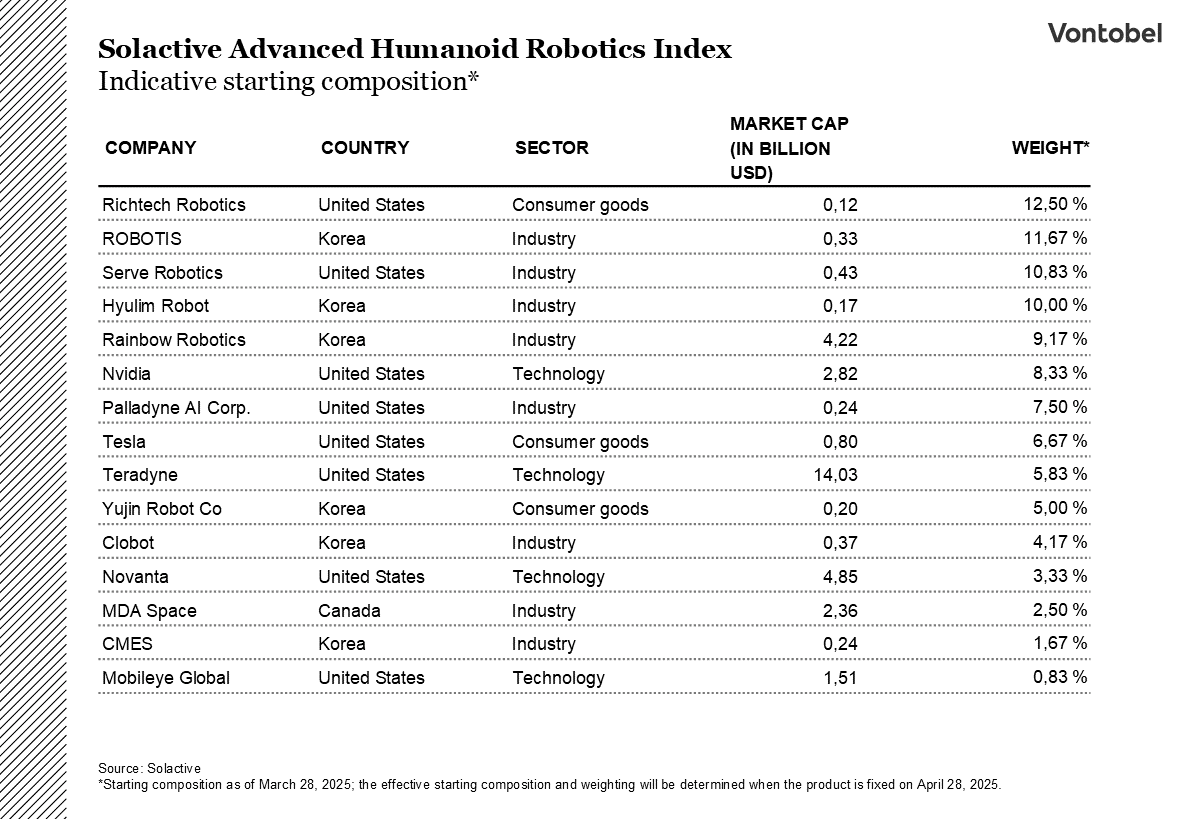
The Solactive Advanced Humanoid Robotics Index tracks a portfolio of companies that are developing humanoid and service robots designed to interact with people, as well as robots for industry, logistics, healthcare, and mobility. The index also includes companies focused on AI and next-generation robotics technology. Solactive AG is the index sponsor and is responsible for calculating and maintaining it. The index is rebalanced twice a year—in March and September—and all included companies are given equal weight. Dividends and other payouts are reinvested.
Vontobel’s Open End Tracker Certificate on the Solactive Advanced Humanoid Robotics Index gives investors the opportunity to gain broad exposure to this theme with a single investment. Since the product has no set maturity date at launch, it can also be used as a longer-term investment. The tracker certificate allows access to this highly specialized index developed by Solactive AG.
Related Products
License and Disclaimer
Solactive AG ("Solactive") is the licensor of the Solactive Advanced Humanoid Robotics Index (the “Index”). The financial instruments based on this Index are not sponsored, endorsed, promoted, or sold by Solactive, and Solactive makes no guarantee or warranty—explicit or implied—regarding: (a) the suitability of investing in the instruments; (b) the accuracy or completeness of the Index; or (c) any results that may be obtained from its use. Solactive assumes no liability for any errors or omissions in the Index, and may change how the Index is calculated or published at any time. Solactive is not liable for any losses or damages—including loss of profits or business interruption—arising from the use (or inability to use) the Index.