Natural Gas: A Winter Risk or an Opportunity?

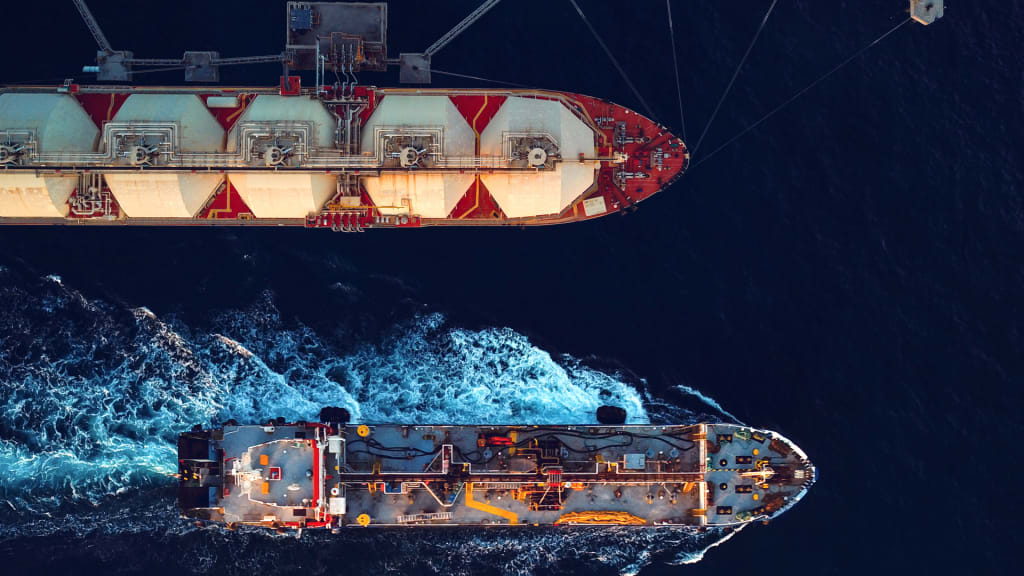
Natural gas remains a closely monitored commodity in Europe amid ongoing geopolitical developments. As noted in our previous market update, both oil and natural gas prices have experienced increased volatility following recent geopolitical tensions. Closely related, the Dutch Title Transfer Facility (TTF), Europe's benchmark natural gas index, has risen significantly as market investors assess the potential impact of ongoing disruptions across key producing and transit regions. Prior to the recent escalation of tensions in the Middle East, TTF prices traded at approximately €32 per MWh, below recent seasonal averages. Since then, prices have more than doubled, recently trading around €80 per MWh as concerns over LNG supplies, storage levels and winter preparedness have intensified. Europe enters the upcoming winter with lower-than-normal gas inventories, continued uncertainty surrounding LNG flows and ongoing geopolitical tensions stretching from Ukraine to the Persian Gulf. While the continent has significantly strengthened its energy infrastructure since the 2022 energy crisis, markets remain vulnerable to unexpected disruptions and weather-driven demand shocks. As a result, investors are increasingly asking whether current prices represent a temporary risk premium or the beginning of a more prolonged period of elevated natural gas prices.
A Structural Shift in Europe's Gas Market
The European natural gas market has undergone significant changes in recent years. Following Russia's invasion of Ukraine, Europe reduced its reliance on Russian pipeline gas and increased imports of liquefied natural gas (LNG). While this shift strengthened supply security in some respects, it also changed the nature of Europe's energy exposure. Rather than relying primarily on pipeline flows from a handful of suppliers, Europe is now far more dependent on the global LNG market, where regional disruptions can quickly influence prices and availability worldwide.
This growing reliance on LNG has reshaped not only Europe's supply mix but also the risks it faces. Norway is currently one of Europe’s main suppliers of pipeline gas, while the United States has become a critical LNG provider. Since LNG cargoes can be redirected between regions depending on market conditions, developments in global energy markets may influence the availability and pricing of supplies reaching Europe.
Recent developments in the Middle East illustrate how geopolitical developments can affect global energy logistics and commodity markets. Market participants continue to monitor LNG shipments through key transit routes, including the Strait of Hormuz, due to their potential relevance for global energy trade flows and market sentiment. The disruption comes at a sensitive time for Europe, which remains heavily reliant on LNG imports to replenish storage and meet seasonal demand. Consequently, events in one of the world's most important energy transit corridors can have an immediate impact on the European gas market.
Related Products
Current Supply Risks
The increase in TTF prices reflects an increasingly concerned market about the availability of gas supplies heading into winter. European gas storage levels were already relatively low before the recent escalation in geopolitical tensions. Storage stood at just 43% of capacity at the end of January and fell further following a colder-than-normal winter, reaching approximately 28% by early April. Although inventories have been building during the refill season, several European countries continue to report storage levels below target.
The Middle East has become a major source of uncertainty. Following attacks on energy infrastructure in Qatar and Iran earlier this year, TTF prices surged to around €70 per MWh in March, more than double pre-conflict levels. While prices have since fluctuated, they have remained elevated throughout the summer months as markets continue to monitor developments in the region.
The Russia-Ukraine conflict also continues to influence energy markets. Ukrainian drone strikes on Russian energy infrastructure have reportedly reduced parts of Russia's refining capacity, adding further uncertainty to an already tight energy market. While the direct impact has primarily been felt in refined products such as diesel, the broader effect has been to reinforce concerns surrounding energy supply security globally.
The latest reports from Gas Infrastructure Europe and ENTSOG, the European Network of Transmission System Operators for Gas, suggest that rebuilding storage ahead of winter remains one of Europe's most important priorities, particularly given the current uncertainty surrounding global supply conditions.
The Upcoming Winter
Winter remains the most important period for European gas demand. Heating requirements typically increase substantially during colder months, putting additional pressure on storage and imports.
Several factors may influence European gas market conditions during the upcoming winter season. Europe begins the season from a relatively low storage base and may face increased competition for LNG cargoes from Asian buyers, particularly China. At the same time, uncertainty surrounding global energy markets remains elevated.
According to downside scenarios published by ENTSOG, lower LNG imports could result in storage levels below current targets. 's base-case scenario, Europe can still reach storage levels above 90% ahead of the winter if LNG imports remain sufficiently strong. However, downside scenarios paint a more challenging picture. A sharp reduction in LNG availability could leave European gas storage significantly below target levels. With inventories already standing at just over 68%, according to Bloomberg, Europe’s ability to respond to a cold winter or unexpected supply outages may become increasingly constrained.
As of mid-September, Bloomberg reports that discussions aimed at securing alternative shipping arrangements through the Strait of Hormuz have been postponed, highlighting that supply-side risks remain far from resolved. Market participants continue to monitor these developments, which remain a source of uncertainty for energy markets.


A Market Balancing Competing Forces
Current conditions in the European natural gas market are influenced by a range of factors, including storage levels, LNG supply, demand patterns and geopolitical developments. Market participants continue to monitor supply-related developments, including storage levels, LNG availability and geopolitical events. These developments have been cited by some market participants as factors that may affect future supply conditions.
At the same time, Europe enters this winter in a stronger position than during the energy crisis of 2022. LNG import capacity has expanded significantly, storage facilities remain available, and policymakers have gained valuable experience in responding to supply disruptions. If imports remain robust during autumn and infrastructure continues operating normally, storage levels could still recover toward targeted levels despite the low starting point.
Demand represents another important variable. Weather conditions are one of several factors that may influence natural gas demand and storage utilization during the winter season. Conversely, milder weather conditions would reduce consumption and ease pressure on inventories. Economic conditions will also play a role, as higher interest rates and slower industrial activity may limit demand growth across parts of Europe.
Inflation remains another consideration. Earlier this year, higher energy prices contributed to eurozone inflation rising to 2.5%, prompting the ECB to raise its key interest rates by 25 basis points to 2.5%. Changes in natural gas prices may influence energy costs and could have broader economic implications, although actual outcomes remain uncertain.
Outlook
Current market conditions in the European natural gas sector are influenced by factors including storage levels, LNG imports, weather conditions and geopolitical developments. Some market participants have highlighted relatively low storage levels, supply-side developments and geopolitical events among the factors currently affecting market sentiment.
With TTF prices trading far above pre-conflict levels and uncertainty surrounding supply conditions persisting, natural gas continues to attract significant attention from market participants given ongoing developments affecting supply and demand conditions. Some market participants have highlighted relatively low storage levels, supply-side developments and geopolitical events among the factors currently affecting market sentiment. Future market developments may be influenced by a range of factors, including weather conditions, LNG availability and geopolitical developments. The relative importance of these factors remains uncertain. Market participants continue to monitor indicators such as storage levels, LNG imports, weather developments and geopolitical events, as these factors may influence market conditions.
Risks
Credit risk of the issuer:
Investors in the products are exposed to the risk that the Issuer or the Guarantor may not be able to meet its obligations under the products. A total loss of the invested capital is possible. The products are not subject to any deposit protection.
Currency risk:
If the product currency differs from the currency of the underlying asset, the value of a product will also depend on the exchange rate between the respective currencies. As a result, the value of a product can fluctuate significantly.
Market risk:
The value of the products can fall significantly below the purchase price due to changes in market factors, especially if the value of the underlying asset falls. The products are not capital-protected
Product costs:
Product and possible financing costs reduce the value of the products.
Risk with leverage products:
Due to the leverage effect, there is an increased risk of loss (risk of total loss) with leverage products, e.g. Bull & Bear Certificates, Warrants and Mini Futures.
Disclaimer:
This information is neither an investment advice nor an investment or investment strategy recommendation, but advertisement. The complete information on the products (securities) mentioned herein, in particular the structure and risks associated with an investment, are described in the base prospectus, together with any supplements, as well as the final terms relating to the securities. The base prospectus and final terms constitute the solely binding sales documents for the products mentioned herein. It is recommended that potential investors read these documents before making any investment decision. The documents and the key information document are published on the website of the issuer, Vontobel Financial Products GmbH, Bockenheimer Landstrasse 24, 60323 Frankfurt am Main, Germany, on https://prospectus.vontobel.com and are available from the issuer free of charge. The approval of the prospectus should not be understood as an endorsement of the securities. The securities are products that are not simple and may be difficult to understand. This information includes or relates to figures of past performance. Past performance is not a reliable indicator of future performance. This information may only be distributed or published in countries where such distribution or publication is permitted by applicable law. As stated in the relevant base prospectus, the distribution of the securities mentioned in this information is subject to restrictions in certain jurisdictions. This advertisement may not be reproduced or redistributed without prior permission by Vontobel.
© Bank Vontobel Europe AG and / or affiliated companies. All rights reserved.