Inspiration360

19 Oct 20263 min read
Investment IdeaTSMC: Riding the AI Wave While Navigating Global Risks
Taiwan Semiconductor Manufacturing Company (TSMC) is at the heart of the global AI boom. Although AI sentiment, interest rates, and geopolitical tensions remain important factors for investors to consider, Strong demand for advanced chips continues to support earnings and investment.
Vontobel Markets

13 Oct 20265 min read
Investment IdeaMicron Technology: Structural Changes in the Memory Market Driven by AI
Micron Technology is currently benefiting from a significant increase in demand for memory solutions for data centers and AI applications. The latest quarterly results show exceptionally strong revenue and profit growth. At the same time, it remains to be seen to what extent the current high margin levels can be sustained beyond the current cycle.
Vontobel Markets

6 Oct 202611 min read
Investors’ OutlookInvestors’ Outlook: A Shorter Leash
The Fed delivered its first interest-rate hike in three years, and several other central banks around the world have already done the same. With rate increases having resumed across major economies, the global easing cycle has effectively come to an end. But much of the inflationary pressure central banks are responding to stems from supply-side factors, such as higher oil prices and the lingering effect of tariffs, which monetary policy can’t do much about. As such, the scope for additional tightening is likely limited.
Stefan Eppenberger, Christopher Koslowski, Mario Montagnani, Michaela Huber & Clémence Rusek
5 Oct 20263 min read
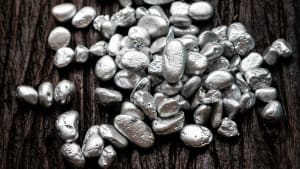
Investment IdeaSilver instead of Gold? Is the Comeback Just Beginning?
Silver is often overshadowed by gold. When it comes to precious metals, most people’s attention turns first to its “big brother”. But that is precisely what makes silver interesting for investors. While gold is primarily regarded as a safe-haven asset and a store of value, silver combines two characteristics: it is both a precious metal and an important industrial raw material. This unique role could provide the market with additional momentum in the coming years.
Vontobel Markets

30 Sep 20265 min read
Investment IdeaFocus on Micron and US non-farm payrolls
Eli Lilly & Co is one of the world's leading pharmaceutical companies. In recent periods, the company's financial performance has been supported by sales of products, including Mounjaro and Zepbound, while market participants continue to assess the potential commercial contribution of Foundayo.. During2026, Eli Lilly’s stock has underperformed against global pharmaceutical indices, creating potential for share price appreciation from current levels. Stock markets are likely to pay close attention to an interim report from Micron Technology later today, as well as to the US non-farm payroll figure on Friday, 2 October.
Carlsquare (Sponsored by Vontobel)
Education5

10 Mar 20263 min read
EducationBull & Bear Certificates: More Ways to Act on Your Market View
Bull & Bear certificates are leveraged products that make it possible to take amplified exposure to a price movement in either direction. They are used by investors who have a clear market view and want to act on it, whether that means reinforcing a conviction in a single stock, positioning around a macro event or managing a currency risk in the portfolio.
Vontobel Markets

28 Aug 20233 min read
EducationExchange-traded products
Exchange-traded products are a broad category that allow for leveraged investments in assets that might otherwise be inaccessible to private investors
Vontobel Markets

10 Aug 20223 min read
EducationBull & Bear certificates
With Bull & Bear certificates, investors can participate in the ups and downs of markets worldwide. The certificates offer investors the option of putting their market opinion into action according to their own appetite for risk. Bull & Bear certificates allow investors to participate with leverage in the performance of equities, indices, currencies, or commodities.
Vontobel Markets

10 Aug 20224 min read
EducationTracker certificates
Tracker certificates enable investors to invest in themes, strategies, regions, or countries, making it easier to diversify even with small amounts of money. Tracker certificates replicate the performance of the underlying asset without leverage, a cap, or capital protection. Investors participate nearly 1:1 in rising and falling prices of the underlying asset. The underlying assets can especially be indices or equity baskets. In this way, you can invest in a whole stock market or basket in only one transaction without having to buy all the individual stocks. This is why tracker certificates are a great product for targeted investment in specific themes.
Vontobel Markets

5 Aug 20223 min read
EducationProducts with sustainability features
From sustainable investment solutions to community involvement and environmental sustainability: corporate responsibility has a long tradition at Vontobel. It is perceived in all its complexity - and regularly receives awards.
Vontobel Markets