Soybeans: Navigating Record Supply and Evolving Demand

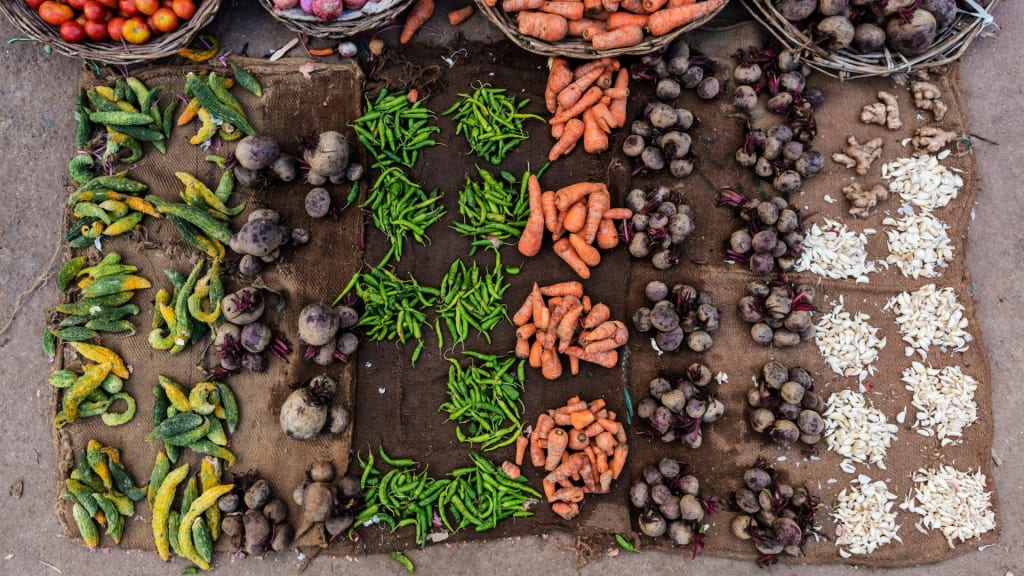
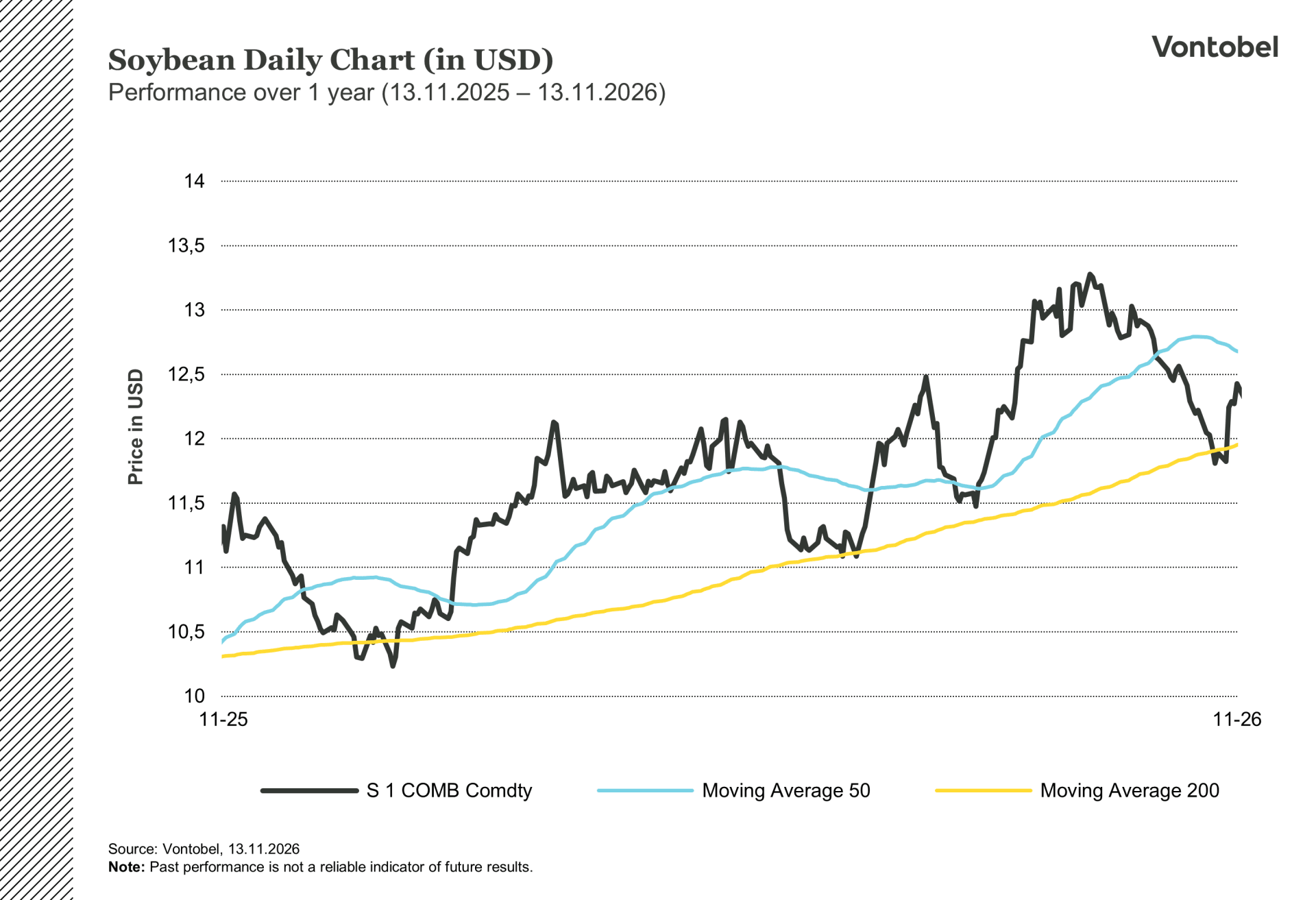
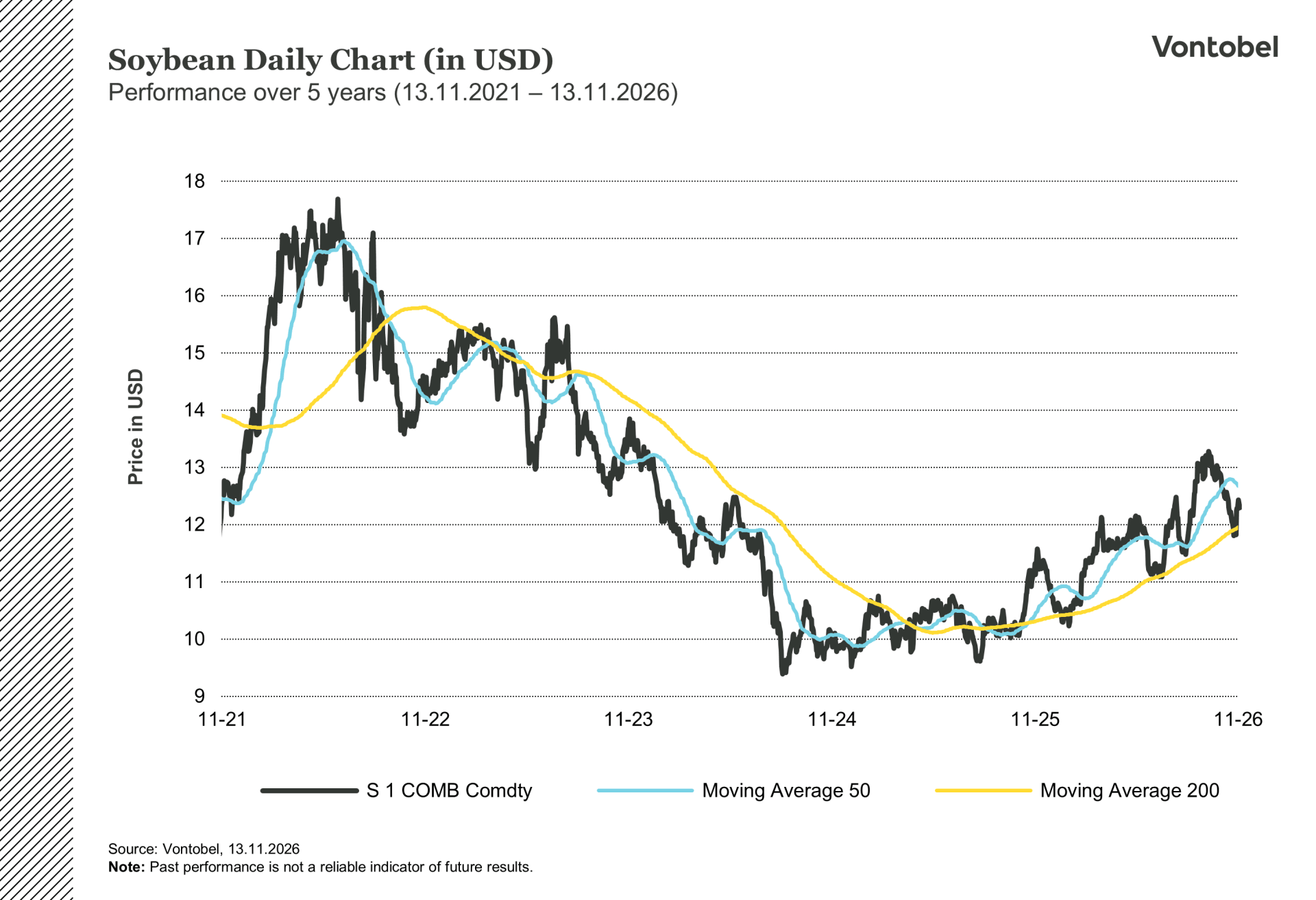
Soybean prices have stabilized following October's weakness, but the market's longer-term direction will depend less on short-term fluctuations and more on structural developments. Expanding Brazilian production continues to reshape global trade flows, while rising demand for renewable diesel and biodiesel has strengthened the link between agricultural and energy markets. At the same time, uncertainty surrounding China's future import requirements remains a key question for producers and exporters. With record harvests projected in both the US and Brazil, supply conditions appear comfortable for now, but may play an increasingly important role in determining the outlook for soybean prices.
Brazil's Growing Influence on Global Trade
The balance of power in the global soybean market has gradually shifted from the United States to Brazil. Supported by expanding acreage, competitive production costs and continued infrastructure investment, Brazil is currently regarded as the world's largest soybean producer and exporter (Financial Times).
The transition accelerated after trade tensions between the United States and China emerged in 2018, encouraging Chinese buyers to diversify sourcing towards South America (Financial Times). As a result, Brazil has strengthened its position in China's supply chain, while US exporters have faced a more challenging competitive environment.
Agricultural markets also remain highly exposed to policy developments. Although discussions and agreements aimed at increasing Chinese purchases of US agricultural products have actual buying activity has so far remained relatively modest. As a result, the pace of Chinese purchases and future trade policy decisions will remain important drivers of export demand and market sentiment. Together, these developments suggest that competition for global market share may remain intense in the years ahead.
Biofuels Strengthen Demand While Supply Remains Abundant
Biofuels have become an increasingly important source of demand for agricultural commodities. Soybeans are processed into soybean flour and soybean oil, with the latter serving as a key feedstock for biodiesel and renewable diesel production.
Recent policy developments regarding US biofuel blending requirements have supported the demand outlook for vegetable oils (Financial Times). USDA projections indicate soybean oil use in biofuels is expected to increase during the 2026/27 season, reinforcing the importance of energy markets for agricultural commodities. This connection creates a two-way relationship, with stronger energy prices supporting biofuel demand and lower oil prices potentially having the opposite effect.
At the same time, supply conditions remain favorable. USDA estimates point to a record US soybean yield and production in 2026, while Brazilian authorities continue to project another record harvest for the 2026/27 season. Forward markets also suggest limited near-term supply concerns. Futures contracts are currently trading in contango, a market structure typically associated with adequate inventories and comfortable supply conditions (Bloomberg).
Taken together, these factors suggest that production growth is currently keeping pace with demand, leaving the market relatively well supplied despite supportive biofuel trends.
China Remains the Key Long-Term Variable
The most important long-term question for the soybean market concerns Chinese demand. China remains by far the world's largest soybean importer, but policymakers are increasingly focused on improving domestic food security, boosting agricultural productivity and reducing import dependence. Measures include support for genetically modified crops, investment in agricultural technology and the development of alternative protein sources (Financial Times).
Should these efforts prove successful, China's soybean import growth may slow over the coming decade (Financial Times). Such an outcome would represent a significant structural challenge for global exporters and would likely reinforce competition between producing regions.
Outlook
Current market factors suggest a broadly balanced near-term risk profile. Record harvest expectations in both the United States and Brazil suggest supply should remain abundant, which may reduce the likelihood of significant price increases unless adverse weather or stronger-than-expected demand alters the picture.
Investors may continue to focus on three factors in particular: South American growing conditions during the crucial December-February period, the pace of Chinese purchasing activity and developments in energy markets that influence biofuel demand. Over the longer term, the interaction between Brazil's expanding export capacity, biofuel-related demand growth and China's evolving import requirements is expected by many market participants to remain an important driver of soybean market dynamics (Financial times).
Risks
Credit risk of the issuer:
Investors in the products are exposed to the risk that the Issuer or the Guarantor may not be able to meet its obligations under the products. A total loss of the invested capital is possible. The products are not subject to any deposit protection.
Currency risk:
If the product currency differs from the currency of the underlying asset, the value of a product will also depend on the exchange rate between the respective currencies. As a result, the value of a product can fluctuate significantly.
Market risk:
The value of the products can fall significantly below the purchase price due to changes in market factors, especially if the value of the underlying asset falls. The products are not capital-protected
Product costs:
Product and possible financing costs reduce the value of the products.
Risk with leverage products:
Due to the leverage effect, there is an increased risk of loss (risk of total loss) with leverage products, e.g. Bull & Bear Certificates, Warrants and Mini Futures.
Disclaimer:
This information is neither an investment advice nor an investment or investment strategy recommendation, but advertisement. The complete information on the products (securities) mentioned herein, in particular the structure and risks associated with an investment, are described in the base prospectus, together with any supplements, as well as the final terms relating to the securities. The base prospectus and final terms constitute the solely binding sales documents for the products mentioned herein. It is recommended that potential investors read these documents before making any investment decision. The documents and the key information document are published on the website of the issuer, Vontobel Financial Products GmbH, Bockenheimer Landstrasse 24, 60323 Frankfurt am Main, Germany, on https://prospectus.vontobel.com and are available from the issuer free of charge. The approval of the prospectus should not be understood as an endorsement of the securities. The securities are products that are not simple and may be difficult to understand. This information includes or relates to figures of past performance. Past performance is not a reliable indicator of future performance. This information may only be distributed or published in countries where such distribution or publication is permitted by applicable law. As stated in the relevant base prospectus, the distribution of the securities mentioned in this information is subject to restrictions in certain jurisdictions. This advertisement may not be reproduced or redistributed without prior permission by Vontobel.
© Bank Vontobel Europe AG and / or affiliated companies. All rights reserved.